5 min read
Multi‑Tenant Database Design (part-2)
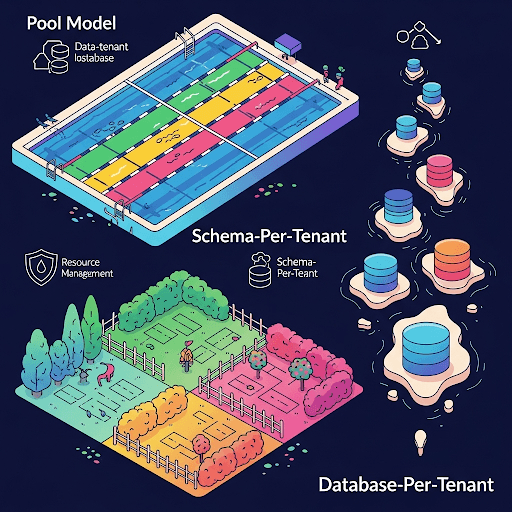
Part 2: Tools and Strategies for Scaling High-Volume Multi-Tenant Systems Introduction As applications scale and tenant counts grow from dozens to thousands (or even millions), a well-architected…
Read engineering deep dives, architecture case studies, and insights from our team.

Exabyting Engineer
Exabyting Engineer

Exabyting Engineer

Exabyting Engineer
Exabyting Engineer
Exabyting Engineer
Exabyting Engineer

Senior Software Engineer

Senior Software Engineer

Assistant Software Engineer
Exabyting Engineer
Exabyting Engineer
Exabyting Engineer
Exabyting Engineer
Exabyting Engineer
Exabyting Engineer
Exabyting Engineer
Senior Software Engineer
Senior Software Engineer
Assistant Software Engineer
Exabyting Engineer
Exabyting Engineer
Exabyting Engineer
Exabyting Engineer
Exabyting Engineer
Exabyting Engineer
Exabyting Engineer
Senior Software Engineer
Senior Software Engineer
Assistant Software Engineer
Found 8 blogs in tag #Database
Part 2: Tools and Strategies for Scaling High-Volume Multi-Tenant Systems Introduction As applications scale and tenant counts grow from dozens to thousands (or even millions), a well-architected…
Part 1: Introduction and Design Patterns Multi-tenancy at a Glance In the digital age, we live on Software-as-a-Service.
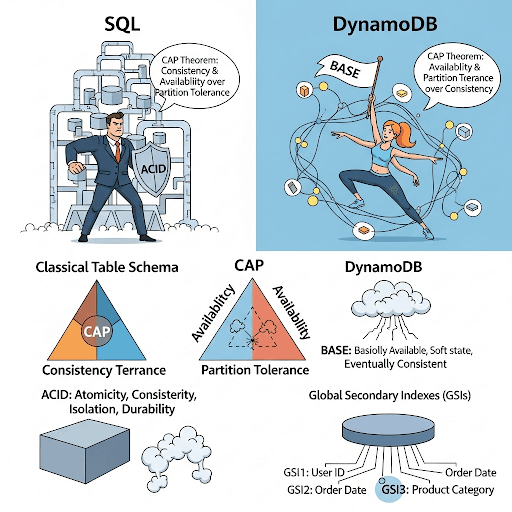
CAP Theorem and DynamoDB In distributed systems, the CAP Theorem states that you can only guarantee two out of the following three at any given time: Consistency Availability Partition Tolerance…
Redis is designed for exceptional speed.

Relational databases have been our trusty companions for decades and still they are.

What is database partitioning?
In database management systems (DBMS), handling data effectively and ensuring its consistency are of utmost importance, especially when multiple users access and modify data concurrently.
When developing a Spring Boot application with Spring Data JPA, ensuring that database table and column names are consistent and meaningful is crucial for maintainability and readability.